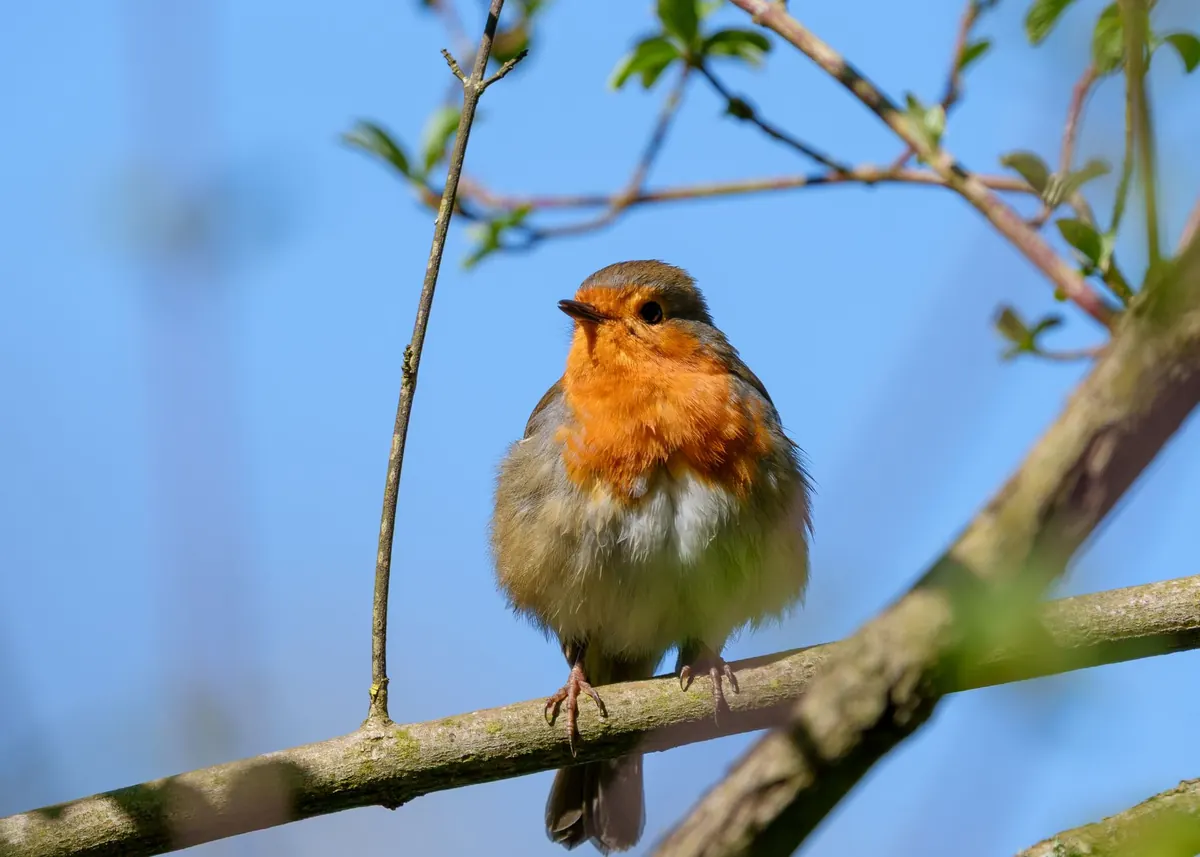
Spring in a British garden does not arrive all at once. It comes in stages: a blackbird singing properly again at the end of February, blue tits prospecting the nest box in early March, then suddenly it is the second week of May and the place is full of fledglings making a noise like a small orchestra tuning up. This checklist covers twenty species you can reasonably expect to see between March and May, with notes on what they are doing and what is worth recording. Keep it somewhere handy. A notebook on the kitchen windowsill works as well as anything more formal.
Twenty species to look for
The list is deliberately ordinary. These are the birds that turn up in most UK gardens, and that is exactly why they repay close watching. Familiarity is not the same as knowledge.
- Robin — singing from a favourite perch, often while you are digging
- Dunnock — quiet and shuffling under the shrubs, easy to overlook
- Wren — an astonishingly loud song from such a small brown bird
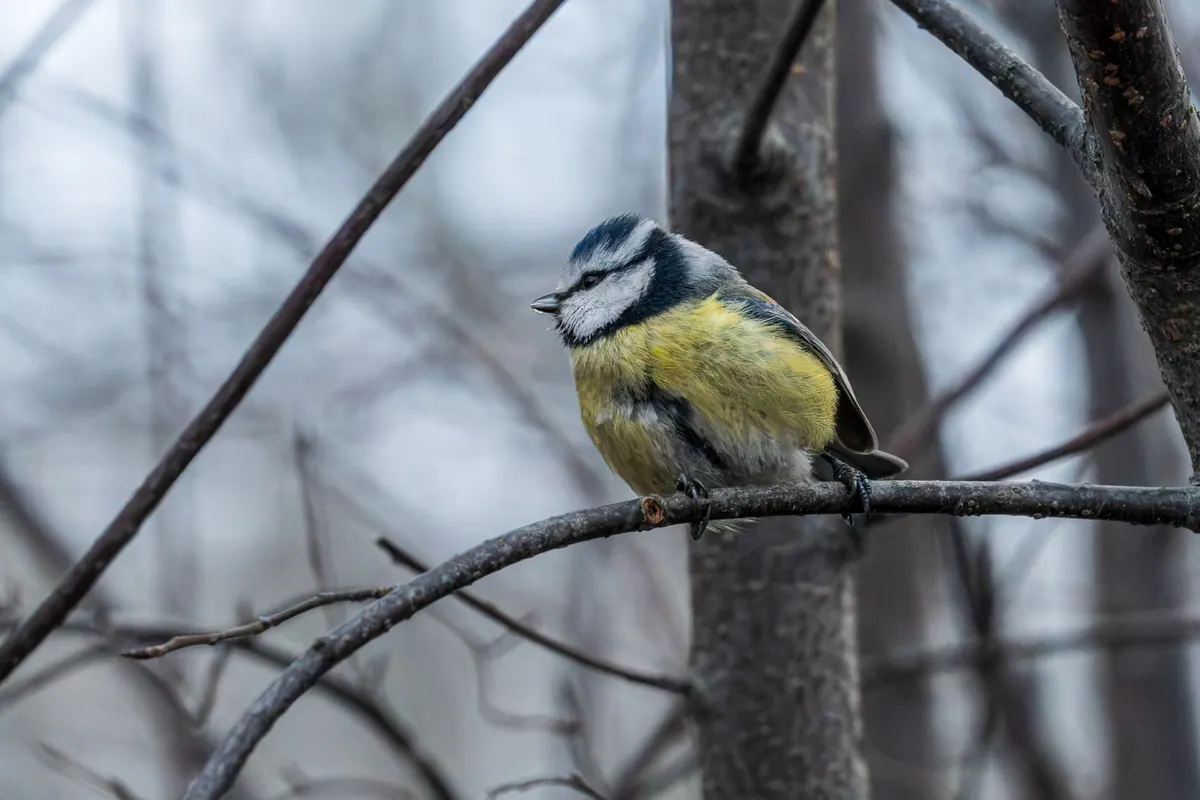
- Blue tit — prospecting nest boxes from late February onwards
- Great tit — a ringing two-note "tea-cher", repeated for hours
- Coal tit — darts to the feeder, takes one seed and vanishes to cache it
- Long-tailed tit — noisy family parties moving through the hedges
- House sparrow — chirruping colonies in eaves and dense hedge
- Starling — glossy, argumentative and a superb mimic
- Blackbird — low, fluty song at dawn and again at dusk
- Song thrush — repeating each phrase two or three times over
- Mistle thrush — singing from a treetop in wind and rain
- Chaffinch — a descending song that accelerates at the end
- Goldfinch — tinkling chatter; fond of nyjer seed and teasel heads
- Greenfinch — a wheezy "dzweee" from the top of a conifer
- Bullfinch — shy; quietly stripping buds from fruit trees
- Great spotted woodpecker — drumming, and visiting peanut feeders
- Nuthatch — ringing call; runs down tree trunks head-first
- Woodpigeon — five lazy notes; nests on the flimsiest platform
- Jackdaw — an early cavity nester; check the chimney pot
What you see will depend on where you are. Collared doves and magpies are near-universal, siskins and redpolls are more likely in the north and west or near conifers, and house martins and swifts arrive later in May, so treat the list as a starting point rather than a fixed script.
March: song, territory and early prospecting
March is about claiming space. Robins that have tolerated each other all winter suddenly become territorial, and the resident male will sing from the same few perches day after day. Dunnocks chase low through the borders in twos and threes. Great spotted woodpeckers drum rather than call, choosing the deadest, most resonant branch they can find — a hollow sound that carries a long way.
Keep feeders topped up. A cold snap in mid-March can be harder on small birds than anything January throws at them, because reserves are low and the breeding season has already begun. Fat balls, sunflower hearts and a shallow dish of water will do more good now than at any other time of year. If you have a nest box, clean it out before the end of February where possible and check the fixings, then leave it alone.
April: nest building and a change in behaviour
This is when birds stop behaving like visitors and start behaving like residents. Watch a blue tit carrying moss into a box and you will see it pause on the entrance hole, look around, then slip inside. Great tits often choose the same box and will bicker with blue tits over possession. Starlings carry in great beakfuls of grass; house sparrows stuff hedges and roof spaces. Nuthatches reduce the size of a hole with mud until it is exactly right.
Resist the urge to tidy. Moss, cobwebs, feathers, dried grass and pet hair are nest materials, and a swept, tidy garden is a poor nursery. Avoid cutting hedges from March through to the end of August, and leave a patch of longer grass and a few seed heads standing.
Food for growing chicks
Mealworms, either dried and soaked or live, become the most useful thing on your bird table in April. Put them out in small amounts and often, rather than one large helping, and place them somewhere cats cannot watch from cover.
May: fledglings and the dawn chorus
The dawn chorus peaks in the first half of May, roughly an hour before sunrise and quietening by seven. Get up early once and listen properly: song thrush and blackbird first, then robin, wren and the tits, with woodpigeon and collared dove underneath it all. Starlings will be threading in odd phrases — a curlew, a car alarm, a telephone.
By the middle of the month the first young are out. Blue tits and great tits fledge in a rush, and long-tailed tits move about in excitable family groups. Fledglings look scruffy, sit still and beg loudly; that is normal.
A fledgling on the ground is rarely abandoned. Watch from a distance for twenty minutes before doing anything — the parents are usually close by, waiting for you to go back inside.
What to record, and how to keep it useful
Casual ticking is fine, but a little method turns a pleasant habit into something genuinely interesting year on year.
- Pick a fixed slot. Twenty minutes at the same time, two or three mornings a week, beats an hour whenever you remember.
- Count, do not just tick. "Six goldfinches" tells you something. "Goldfinches present" does not.
- Note behaviour next to the name. Singing, collecting nesting material, carrying food, feeding a fledgling — these are the details that reveal what stage the season is at.
- Add the weather. Temperature, wind and rain explain most odd days and take ten seconds to jot down.
- Send it somewhere useful. Records submitted to a national scheme such as the BTO's Garden BirdWatch or BirdTrack help build a picture well beyond your own patch.
Getting the most out of your spring watching
Provide clean water every day, in a shallow dish with a stone for grip. Keep cats in at dawn and dusk through May and June, when fledglings are at their most vulnerable. Leave seed heads, ivy and a corner of nettles through the summer, and hold off on pesticides if you can.
Then do the simplest thing of all: compare. Look back at last April's notes and see what shifted. A species that arrived a fortnight earlier, a bird that nested in the box for the first time, a summer visitor that failed to turn up at all — that is where garden birdwatching stops being a hobby and starts being a record.
Photo: Masood Aslami / Pexels