Most people start birdwatching by accident. A robin on the fence, a flash of blue along the canal, a rustle in the hedge that turns out to be a wren. The move from noticing birds to actually watching them is a small one, and it does not require much kit: a decent pair of binoculars, something to check your identification against, and a place you can visit again and again. Here is how to sort all three without wasting money or losing the habit before it starts.
Before You Buy Anything
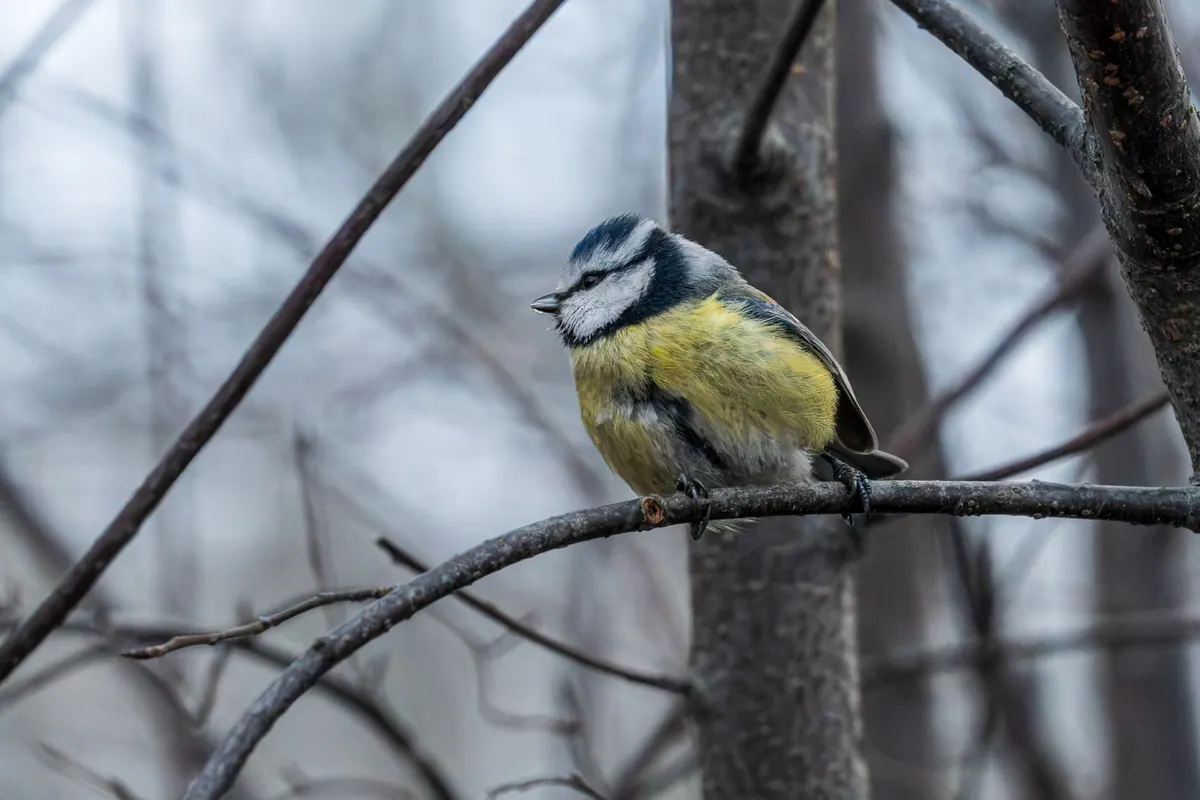
Give yourself a fortnight of looking with nothing but your eyes. Learn the birds in your garden and on your walk to work: blackbird, blue tit, woodpigeon, magpie, goldfinch, dunnock. These are the species you will compare everything else against, and knowing them well makes every unfamiliar bird stand out faster.
Once you can name ten common birds without thinking, you are ready to spend money. Not before. A pair of binoculars bought in week one often sits in a drawer by week six because its owner never learned what they were looking at.
Choosing Your First Pair of Binoculars
Binoculars are described by two numbers, such as 8x42. The first is magnification; the second is the diameter of the front lens in millimetres, which governs how much light reaches your eye. The bigger the second number, the brighter the image and the heavier the binoculars.
For most British birders, 8x42 is the sensible default. Eight times magnification is easy to hold steady, gives a wide field of view for picking up movement in bushes, and copes with our grey winter light. Some people prefer 10x42 for waders and raptors across open water, but the narrower view and shakier image make it a harder first choice. Compact binoculars with numbers like 10x25 look tempting in a shop; they are light but dim and fiddly, and best avoided as your only pair.
Things to check before parting with money:
- Comfort. Hold them for several minutes. Heavier binoculars become a burden on a two-hour walk.
- Focus. The central wheel should turn smoothly and reach sharp focus without a fight.
- Close focus. How near can you focus? Good close focus helps with birds in bushes and with dragonflies and butterflies later on.
- Glasses. If you wear spectacles, look for long eye relief and rubber eyecups that twist or fold down.
- Condition. Clear lenses, no scratches, no internal haze or fungus. Shake gently and listen for rattles.
Buy from a shop or a field-tested seller where you can look through several pairs side by side, and ask about their returns policy. The second-hand market is full of sound binoculars from people who upgraded, and a well-cared-for pair will often outperform a new pair at the same price. Keep them in the case, wipe lenses only with a proper cloth, and never leave them on a car dashboard in summer.
Field Guides and Apps: Use Both
A field guide is the backbone. The Collins Bird Guide is the standard reference for Britain and Europe and is worth owning eventually, though its density can overwhelm a beginner. The RSPB Handbook of British Birds and the various slim pocket guides are gentler starting points, and a second-hand copy of an older edition is perfectly usable.
Apps are excellent companions, not replacements. Merlin Bird ID can suggest a species from a photograph or from a recording of its song, which is genuinely useful when you hear something unfamiliar. BirdTrack and eBird let you log what you see. But treat every identification the app offers as a question, not an answer. Check the features yourself: bill shape, leg colour, wing pattern, size next to something familiar. Pay attention to the birds the app gets wrong in your area, and you will learn faster than any algorithm will teach you.
Keep a simple notebook, paper or phone. Date, place, weather, species. That record is how you notice that the first chiffchaff arrives in the same week each spring, and it is the raw material for any county bird report.
Finding Your Local Patch
A patch is a place you visit often enough that you notice when something changes. It does not need to be a reserve. A park with mature trees and a pond, a canal towpath, a cemetery, an estuary path, a reservoir, or even the filter beds of a sewage works will do; the last of these is famously good for waders and gulls.
Choose somewhere within a fifteen-minute walk or cycle of home, somewhere you feel safe at dawn, and somewhere with at least two kinds of habitat: water plus trees, or scrub plus open grass. Variety brings birds.
The trick is regularity, not rarity. Walk the same route once a week and record what you see. Within a season you will know which hedge holds the wintering redwings, where the heron stands, and roughly how many pairs of blackcaps sing along the path. That ordinary knowledge is what separates a birder from someone who occasionally looks at birds.
Learning to Look and Listen
Identify by behaviour as much as appearance. A small brown bird creeping up a tree trunk is a treecreeper; one hopping on the ground under a feeder is probably a dunnock. Watch how a bird flies, whether it bobs its tail, whether it feeds alone or in a flock.
Song matters. Learn ten calls properly, starting with the ones you hear daily, and the hedgerows become far more legible. Then add a few more each year rather than trying to learn the whole book at once.
Looking After the Birds
Wild birds, their nests and their eggs are protected by law in the UK, and some species have extra protection. In practice: keep your distance from nests, do not push into vegetation to get a better view, and step back if a bird starts alarm-calling or behaving as though it wants you gone. Avoid playing recorded calls repeatedly during the breeding season. Keep dogs on a lead where signs ask for it, shut gates, and take litter home.
Sharing information matters too. Post common sightings freely, but be cautious with precise locations of scarce breeding birds, and let the county recorder know about anything genuinely unusual.
Making It Stick
Set a modest target: twenty species on your patch this month. Join your local bird club or the RSPB, go on one guided walk with people who know the area, and ask questions. Go out early, especially in April and May, when a morning can turn up a bird you did not expect. Binoculars and a guide are tools; the habit of going out, standing still and paying attention is the thing that turns this into a lifelong pleasure.
Photo: MabelAmber / Pixabay