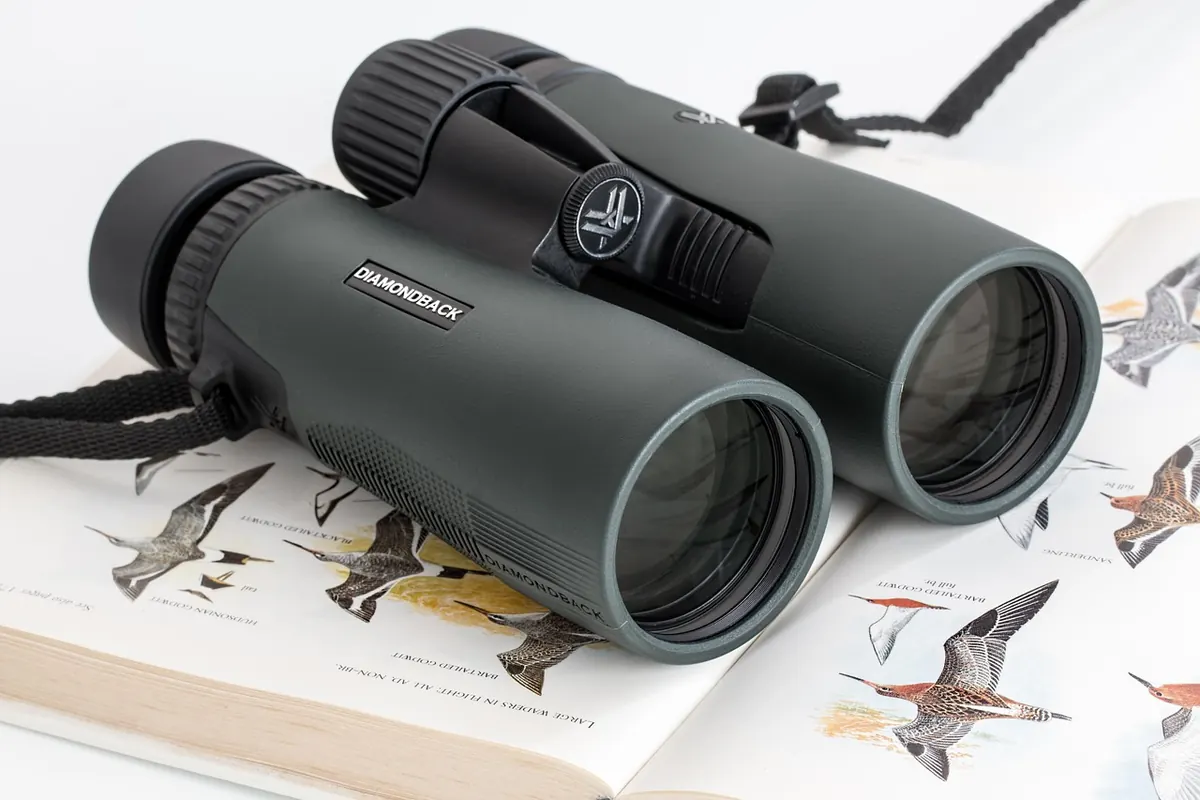
Buying binoculars is easy. Learning to stand still is harder. Almost every birdwatcher begins the same way: keen, a bit impatient, and convinced that the birds are somewhere else. The good news is that most early mistakes have nothing to do with identification. They are habits of pace and attention, and they can be corrected in a single morning out.
Flushing Birds Before You Have Seen Them
You creep along a hedgerow for twenty minutes, take one careless step, and the whole thing empties. Birds react to movement, silhouette and sudden sound long before they react to you. A shape breaking the skyline or a boot snapping a twig will clear a field faster than any amount of noise.
Slow down in stages rather than trying to move quietly all at once. Walk a few paces, then stop and scan properly for half a minute. Most of the birds you would otherwise walk straight past are sitting still, watching you decide what to do next.
- Keep the wind in your face. Your scent then drifts behind you, away from anything ahead.
- Use cover. Hedges, tree lines and even a parked car break up your outline. Avoid standing on an open ridge.
- Freeze, don't follow. When a bird flushes, stop where you are. Many species drift back within a minute or two.
- Deal with your kit first. Zip pockets, tighten loose straps and silence your phone before you start, not while a warbler is in view.
Treating Calls as Background Noise
Most of the birds around you are heard before they are seen, and a fair number are never seen at all. Beginners often stare into foliage waiting for a glimpse while a dozen species announce themselves overhead. Learning even a handful of songs changes the day completely.
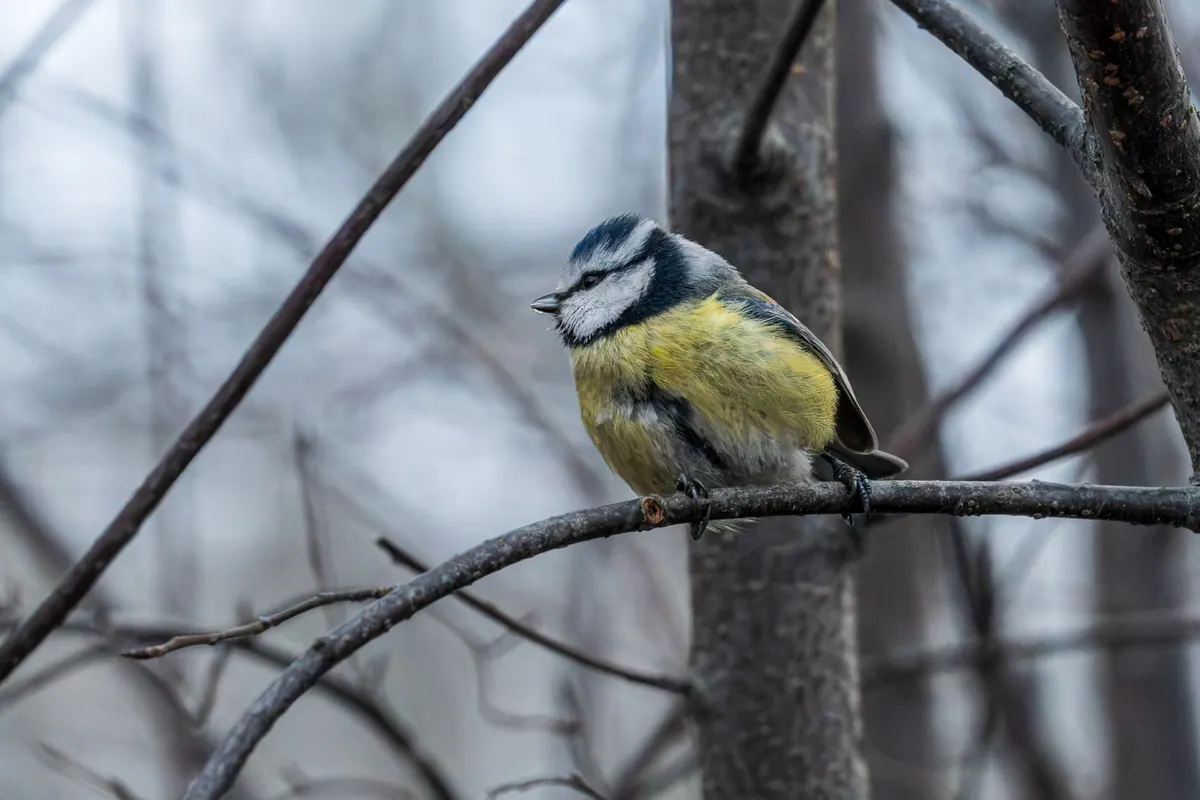
Start with the ones you can hear from your own window: blackbird, robin, wren, great tit, woodpigeon. Add chiffchaff, blue tit, dunnock and goldfinch. Then learn the pairs that catch people out. The chiffchaff's steady two-note seesaw and the willow warbler's soft descending ripple are worth ten minutes of listening, because that comparison stays with you for life.
Try sitting in a garden or park for fifteen minutes with no binoculars at all. Just listen, and note what you can pick out. Recordings on your phone are useful too, but the real skill is holding two songs in your head and telling them apart.
Misreading Field Marks
Colour is the least reliable thing in the field. Low sun turns olive birds yellow, shade turns them grey, and a bird seen against the light can look like a different species altogether. Beginners also tend to overestimate size, especially with birds in flight.
Look at structure and behaviour first
How a bird moves is often more diagnostic than what colour it is. A wren flicks its tail and slips along the base of a hedge. A grey wagtail constantly dips its rear. A nuthatch works its way down a trunk headfirst. A treecreeper goes up. Note the bill shape, the head pattern, the wingbars and the tail pattern, and use a familiar species as a yardstick for size — "about the size of a blackbird" is more useful than "quite big".
Remember that juveniles and moulting adults look scruffy and washed out. If you are unsure, write it down as a possibility and check it later rather than talking yourself into a rarity.
Chasing Rarities Before You Know the Common Birds
Rare bird alerts are addictive, and there is nothing wrong with travelling for a good bird. But a rarity only stands out if you know what normal looks like. A season spent on one local patch — the same park, reservoir or stretch of coast, visited regularly — will teach you more than a dozen twitches.
Learn the common species properly: how they sound, how they feed, where they sit, when they arrive and when they leave. Count them, even roughly. Once you know that the usual duck flock is forty tufted ducks and a handful of mallards, the odd one out will catch your eye rather than the other way round.
Trusting Memory Instead of a Notebook
You will forget. Two hours after a walk, most people can recall half a dozen species and not much else. A small notebook or a phone note takes seconds and pays off for years.
- Date, time and place.
- Weather, wind direction and how cold it feels.
- Species seen, with rough counts where you can manage them.
- Anything you were unsure about, written as a description rather than a guess.
Write up the uncertain birds at home with a field guide open beside you. That single habit turns a pleasant walk into a record you can compare with the same week next year.
Letting Equipment Get in the Way
Binoculars do not need to be expensive, but they do need to be set up. Adjust the eyecups, then close one eye and use the dioptre ring — usually on the right barrel — until the view is sharp. Shorten the strap so the binoculars sit against your chest instead of swinging into your ribs.
Then practise the basic move: find the bird with your naked eyes, keep your head still, and bring the binoculars up to your face rather than moving your head to them. Scanning through binoculars across a whole wood is tiring and unproductive; scan with your eyes and check individual birds properly.
Carry less than you think you need. A folding guide in a coat pocket beats a rucksack you have to put down and pick up every ten minutes.
A Simple Routine That Fixes Most of It
Arrive slowly and stand still for the first five minutes, listening before you look. Walk in short stages, with the wind on your face, and pause at every gap in the hedge. Write down what you hear as well as what you see. Finish the visit by reading back your notes over a cup of tea and checking the two or three birds you were unsure about.
Do that a few times on the same patch and the mistakes start correcting themselves. You will flush fewer birds, hear more of them, and begin to recognise familiar faces — which is really what birdwatching is.
Photo: stevepb / Pixabay