A feeder that hangs empty from March to November is a missed opportunity. But topping it up on autopilot through the summer isn't automatically the right answer either. Feeding birds all year round is a sound approach; it's the details that change with the seasons, from what you put out, to how often you clean it, to when it's kinder to ease off. Here's how to do it well in a British garden.
Why the "winter only" habit lingers
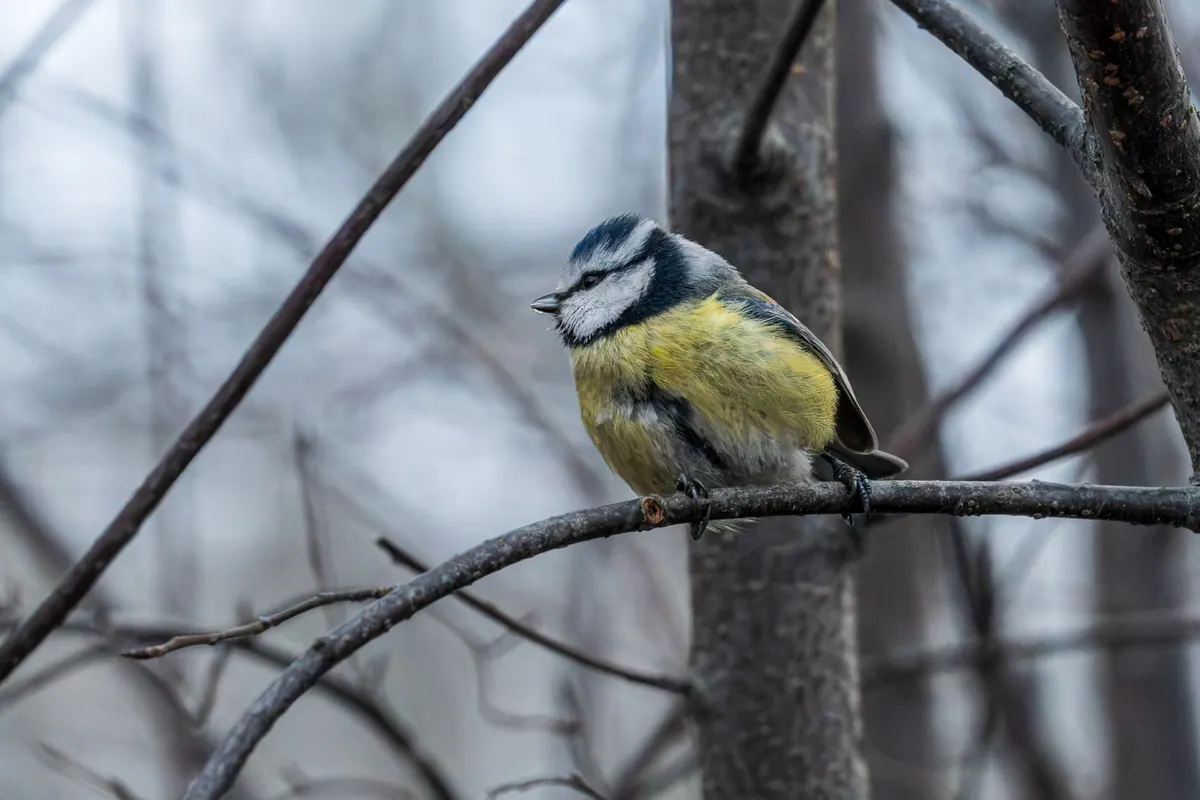
For decades, feeding was framed as winter rescue: a handful of scraps when the ground froze. That advice made sense when natural food was plentiful for the rest of the year. In a UK summer, a single brood of blue tits can get through thousands of caterpillars, and adult birds switch to protein-rich insects almost instinctively.
Which is why a quiet feeder in late June is usually normal. Birds aren't abandoning you; they're working the hedge and the apple tree instead. The case for year-round feeding isn't that birds will starve without you in July. It's that garden food helps during the awkward gaps: a dry spell when worms stay deep, a fortnight of cold rain that grounds insects, or a late second brood when the parents are worn out.
Breeding season: the real risks to manage
Feeding through spring and summer is fine, provided you adjust a few things.
Peanuts and chicks
Whole peanuts are the classic hazard. Adults may carry them back to the nest and feed them to nestlings that can't manage the size. If you offer peanuts in the breeding season, use a mesh feeder that only releases small fragments, or switch to peanut granules. Loose whole peanuts are best kept for the colder months.
Fat, suet and warm weather
Fat balls and suet cakes are winter gold, but in a heatwave they soften, turn rancid or smear onto feathers, which harms insulation. Offer fat only when it's cool, keep it shaded, and remove the mesh nets, because birds get feet and tongues caught in them. If you want to feed right through summer, save the suet for autumn and winter and lean on seeds, mealworms and fruit instead.
Hygiene matters more, not less
Warm, damp weather helps disease spread at feeding stations. Finch trichomonosis is the one to know about: a parasite that passes between birds at crowded feeders and shows up as a fluffed, lethargic bird with a messy face and throat. If you see a sick bird, stop feeding for two weeks, empty the feeders, scrub everything with hot soapy water, then rinse and dry. Spacing feeders out, rotating their positions and clearing spilled seed underneath all reduce the crowding that drives outbreaks. Wash your hands after handling feeders, and use gloves if you're squeamish.
Nesting material
Leave the offering of nesting material to the birds themselves. Human hair, synthetic lint and long strands of thread can tangle around legs and feet. Loose moss, twigs and dried grass in a quiet corner are safer, and so is pet fur from an animal that hasn't been treated with flea products.
What to put out in summer
From May to September, think small, soft and high-protein.
- Sunflower hearts have no husks, so there's less mess, and they're taken by almost everything from tits to goldfinches.
- Nyjer seed in a fine feeder brings in goldfinches and the occasional siskin.
- Mealworms, live if you can stomach them. Dried ones work too, but soak them first.
- Soft fruit: halved apples, pears, a few berries or soaked sultanas. Keep raisins and sultanas away from dogs, and clear uneaten fruit before it ferments.
- Standard seed mixes for house sparrows, starlings and collared doves, ideally in a tray rather than scattered across the lawn.
- Water, always. A shallow dish with a stone for a foothold, refreshed daily. Birds need it for drinking and bathing, and it's the most underrated thing you can provide.
Autumn: the ramp-up
By September the balance shifts. Adults are moulting and burning energy to grow new feathers. Swifts and swallows leave; redwings, fieldfares and bramblings arrive later in the season, and hungry winter visitors start checking out gardens. This is the moment to repair anything broken, scrub the feeders properly and steadily increase what you offer: fats, mixed seed, peanuts in mesh feeders. Birds are casing the neighbourhood for reliable food sources now, and the gardens they remember in November are the ones with food out in October.
When it makes sense to scale back
There are legitimate reasons to cut down or pause. You're away for a fortnight with nobody to take over. Rats or mice have found the spilled seed. A neighbour's cat has turned the feeding station into a hunting blind. You've had a run of disease at the feeders, or the whole setup has become a soggy mess of mouldy food.
Scale back gradually rather than yanking the feeder down overnight. A week of reducing portions lets birds adjust and widen their search. Keep the water out regardless; it costs you nothing and matters in a hot spell. If you're going away, wind down a good week before you leave instead of leaving a full feeder to spoil in the rain.
A practical year-round routine
None of this needs to be complicated. A rhythm that works:
- Weekly: top up, sweep up spilled seed and husks, check for mould.
- Fortnightly, or weekly in warm weather: wash feeders in hot soapy water, rinse, then dry thoroughly.
- Daily in summer: refresh drinking and bathing water.
- Spring: swap whole peanuts for granules, and keep fats shaded or put them away.
- Autumn: deep clean, repair, and begin building the menu back up.
- Whenever you spot a sick bird: pause, clean everything, wait two weeks before refilling.
Feed all year if you enjoy it and can keep the feeders clean. That last part is the real commitment. A well-kept feeder in July does more good than a neglected one in January, and it keeps the garden alive with birdsong when you're most likely to be sitting out in it.
Photo: Veronika_Andrews / Pixabay