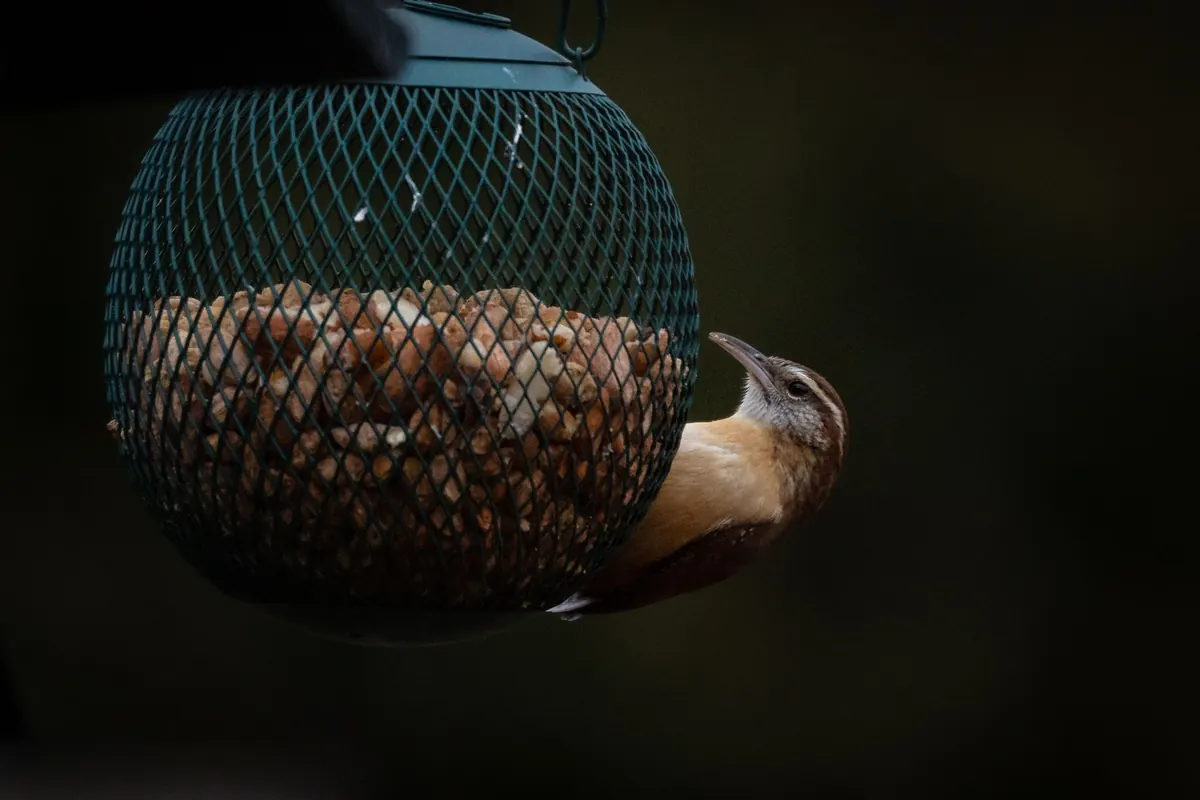
A feeder is not just a container for food. It decides which beaks can reach the contents, how much ends up on the lawn beneath it, and how often you will be standing at the sink with a bottle brush. Seed, nyjer, suet and peanuts each behave differently in a British garden, and the differences show up within a week of hanging one up.
Seed feeders: the general-purpose choice
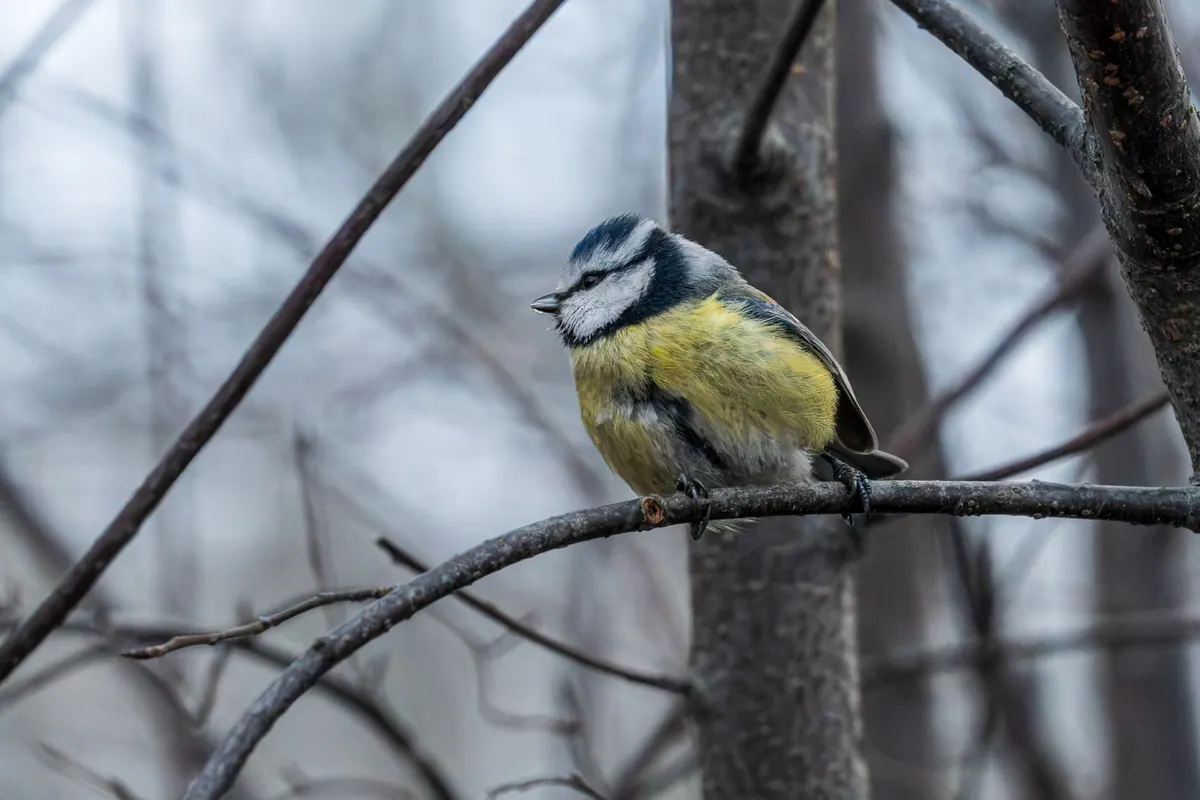
Tube, hopper and house feeders work on the same principle: a reservoir that trickles seed down to ports or a tray. Fill one with sunflower hearts and you will draw great tits, blue tits, house sparrows, greenfinches and, in many gardens, goldfinches. Chaffinches, collared doves and dunnocks will clear up below.
Waste is where seed feeders divide. Black sunflower and mixed seed leave husks under the feeder, which look untidy and can smother small plants if you never brush them up. Sunflower hearts have no husk, make almost no mess, and are eaten by nearly everything. Cheap mixes are the other trap: wheat, split peas and red dari get flung aside by birds hunting for the good stuff. Buy a mix built on sunflower hearts and black sunflower, with a little millet.
Cleaning is simple but regular. Damp seed clogs ports and goes mouldy, so take tube feeders apart every week or two, wash in hot soapy water, rinse and dry fully before refilling.
Nyjer feeders: a specialist answer to finches
Nyjer, also sold as niger or thistle, is a tiny black seed with a high oil content. It needs fine mesh or very small ports, which suits goldfinches, siskins, redpolls and linnets, all of which cling and pick rather than perch and swallow.
The drawback is spoilage. Nyjer is pricey, and a large feeder filled to the top in autumn will sit going stale while the birds ignore it. Fill small amounts and top up often. If the seed clumps, smells musty or carries a grey dusting, tip it out — stale nyjer will not be eaten, and mouldy food is a hygiene problem.
Mesh tubes take more cleaning than a plastic tube. Soak, scrub with a stiff brush to clear seed dust from the mesh, rinse well and dry completely. A tray underneath catches spill and makes the seed go further.
Suet feeders: the busiest feeder in the garden
Suet balls, cakes, blocks and pellets pack fat into a small space, which is why they pull in tits, robins, nuthatches, great spotted woodpeckers and — whether you want them or not — starlings. In a cold snap a suet feeder can be the busiest object outside.
Buy fat balls loose, or in a proper cage feeder, rather than in the plastic net bags they are often sold in. Birds' feet and tongues can become caught in the mesh. Tipping the balls into a cage or tray takes a moment and removes the risk.
Expect starlings to empty a ball in a morning. If that becomes tiresome, a starling-resistant feeder with a wider outer cage lets smaller birds in and keeps the flock out. Suet also softens and turns oily in hot weather; in summer switch to insect- or fruit-based cakes made for warm conditions. Crumbs that drop are usually cleared by robins and dunnocks, so ground waste is minimal, but the feeder itself will want a hot wash now and then.
Peanut feeders: high value, a few rules
Peanuts are rich in fat and protein, and popular with tits, nuthatches, woodpeckers, siskins and greenfinches. A mesh tube slows birds down and encourages them to take small pieces rather than whole nuts, which is what you want.
Three rules matter. Buy peanuts sold for wild birds — never salted, never from the snack aisle. Check them each time you refill: mouldy peanuts can carry toxins that harm birds, so if they look dusty, smell wrong or feel soft, bin them. And in spring and summer, when young birds are about, switch to peanut granules or flour, which are safer for inexperienced birds.
Waste is low, though dust and fragments collect at the bottom of the tube. Empty them out at cleaning time, which for mesh means soaking, brushing and drying thoroughly. Fiddly, but a two-minute job once you have a routine.
Cleaning, siting and the habits that matter most
Feeder type matters less than what you do with it afterwards. Whatever you hang, the routine is much the same:
- Clean every feeder every week or two, and more often in warm, damp spells when food spoils quickly.
- Use hot soapy water plus a disinfectant suitable for animal feeding equipment, rinse thoroughly and dry before refilling.
- Keep a spare feeder for each pole so one can dry while the other is in use.
- Shift feeders around the garden a few times a year to stop droppings and old food building up in one spot.
- Hang feeders either within a metre of a window or more than three metres away, so birds cannot hit the glass at speed.
- Keep them clear of dense cover that cats can use as a hiding place, and brush up husks and spills.
- Wash your hands after handling feeders and discarded food.
Which feeder to hang first
With one hook and a modest budget, start with sunflower hearts in a decent tube feeder. Almost every garden bird will use it, it makes little mess, and it tells you quickly what your garden holds. Add a suet feeder for autumn and winter traffic, a nyjer feeder if goldfinches or siskins already visit, and a peanut mesh tube if you see nuthatches or woodpeckers nearby.
Two or three types on one pole, spaced so the bigger birds cannot dominate everything at once, will attract the widest range of species. Fill them lightly at first: a feeder that is half empty after a fortnight tells you more than a full one nobody has touched. Give new feeders time, too. Birds can take a week or two to notice a new station, particularly in a garden where nothing has been hung before. Patience, a clean feeder and a good position will do more than any clever design.
Photo: Tina Nord / Pexels