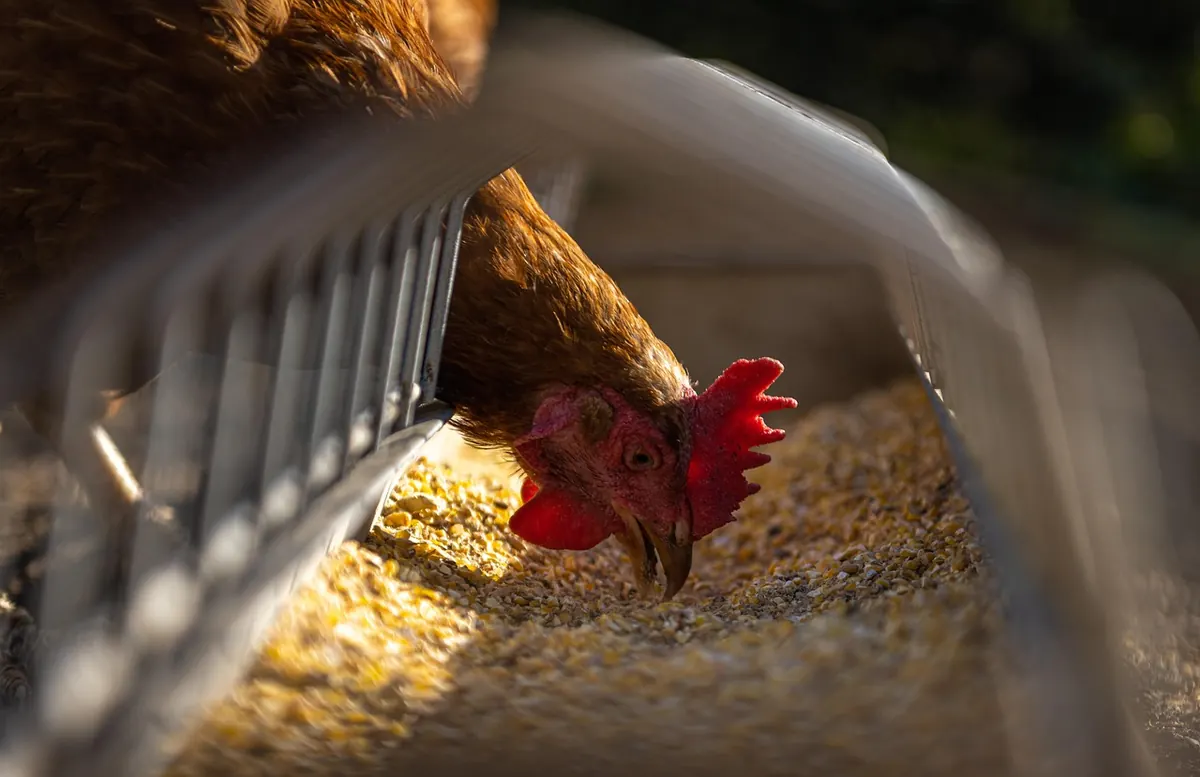
Feeding garden birds brings you closer to their lives, but a crowded feeder can also become a place where infections pass from bird to bird. Droppings, saliva and soggy seed collect in the same small trays, and mild damp weather does the rest. A regular cleaning routine is one of the simplest ways to keep your feeding station healthy.
Why feeder hygiene matters
When birds gather at a feeder, they share more than food. They share perches, seed trays and the surfaces around them. Infections such as salmonellosis and trichomonosis can spread at feeding stations, especially when food is wet, droppings are left in trays, or old seed turns mouldy. A dirty feeder does not automatically make birds ill, but it raises the risk. Clean equipment, fresh food and a little space between feeders all help. Think of the feeder as a shared table: the tidier it is, the safer the meal.
How often should you clean a bird feeder?
There is no single schedule that suits every garden. A small feeder visited by a few tits in dry weather needs less attention than a crowded peanut feeder in a damp autumn. Use these as starting points:
- Seed and peanut feeders: clean every one to two weeks, and more often in warm or wet weather.
- Suet and fat-ball feeders: check weekly; clean every two weeks, or sooner if the food looks soft, greasy or mouldy.
- Nyjer and small seed feeders: clean every one to two weeks, paying attention to the tiny ports where seed dust collects.
- Bird baths: refresh water daily and scrub every few days. A bath can spread disease just as easily as a feeder.
- Ground feeding areas: rake or sweep up leftover food and droppings daily if possible.
When in doubt, clean more often rather than less.
What you need and how to clean a feeder
Your cleaning kit
Keep a dedicated cleaning kit away from the kitchen. Do not use the sink where you prepare food, or the same sponge you use for dishes. A plastic bucket, a stiff brush, a bottle brush for tube feeders, and rubber gloves are enough. You will also need mild washing-up liquid, a bird-safe disinfectant and a bin bag for waste. If you use bleach, keep it for feeder cleaning only and never mix it with other cleaners.
Step by step
- Empty the feeder. Tip old seed, nuts or fat into a bin bag. Do not put mouldy food on the compost or back in the feeder.
- Take it apart. Remove perches, ports, trays and lids. Check for cracks, sharp edges or trapped debris. If a wooden feeder is badly soiled or impossible to dry, it may be time to replace it.
- Wash with hot soapy water. Scrub every surface, including the inside of the tube, the feeding ports and the perches. Seed dust and sticky fat can hide in small grooves.
- Rinse well. Remove all soap residue before you disinfect. Soap is not a disinfectant, and left-over film can irritate birds.
- Disinfect. Use a product made for bird feeders, or a dilute bleach solution mixed exactly as directed on the bottle. A common recommendation is one part household bleach to nine parts water, but always check the label and follow it. Soak or spray the feeder so all surfaces are covered, then leave it for the contact time stated on the product.
- Rinse again. Rinse thoroughly with clean water. For bleach, rinse several times. If you can still smell bleach, rinse again.
- Dry completely. Air dry in a sunny, well-ventilated spot. Damp feeders encourage mould, so do not refill until every part is dry.
- Reassemble and refill. Put the feeder back in position and add only as much food as the birds will eat in a day or two, especially in wet weather.
Wooden feeders soak up moisture and are harder to disinfect. Choose one with a removable liner, or expect to replace it more often.
Choosing a safe disinfectant
Not every cleaning product is suitable around birds. Purpose-made disinfectants for bird feeders, such as those sold for aviary or wildlife use, are the simplest option. If you use household bleach, choose plain unscented bleach with no added thickeners or fragrances. Avoid phenol-based disinfectants, scented sprays, oven cleaners and anything that leaves a strong chemical smell. Vinegar is useful for light cleaning but should not be relied on as the main disinfectant. Whatever you choose, read the label, measure accurately, and rinse as if a bird will peck at the surface afterwards. It will.
Bird baths and drinking water
Bird baths need their own routine. Empty and refill daily if you can, and scrub the bowl every few days with a brush and hot soapy water. Disinfect weekly in warm weather, then rinse and dry. If the water looks cloudy, smells unpleasant or has a film on the surface, clean it immediately. A shallow stone or glazed bath is easier to keep hygienic than a deep, textured one.
Daily habits that reduce disease
- Offer food in amounts the birds can finish in a day or two.
- Sweep up husks and droppings beneath feeders; do not let them build up.
- Use several smaller feeders rather than one crowded one.
- Move feeders occasionally to avoid a build-up of waste in one spot.
- Store bird food in a cool, dry, sealed container.
- Throw away food that is wet, clumped, mouldy or smells sour.
- Clean feeders before and after mild, damp spells, when mould grows faster.
- Wash your hands after handling feeders, food or bird waste.
If you see a sick bird
Signs of illness can include a bird that sits fluffed up, seems unusually tame, has laboured breathing, swollen eyes, or food stuck around the beak. Do not try to catch it unless you have been advised to. Stop feeding for around two weeks, clean and disinfect all feeders and baths, and put waste in the bin. Keep pets away from sick birds and wash your hands after being outside. For advice about a specific bird, contact a wildlife rescue or a vet who sees birds.
A routine you can keep
Good hygiene does not need to be complicated. Aim for a quick check each day, a scrub every week or two, and a deeper clean whenever the weather turns mild and damp. Keep your cleaning kit together so it is easy to grab, and set a reminder on your phone if that helps. Your feeders will look better, the food will stay fresher, and the birds in your garden will face fewer risks every time they visit.
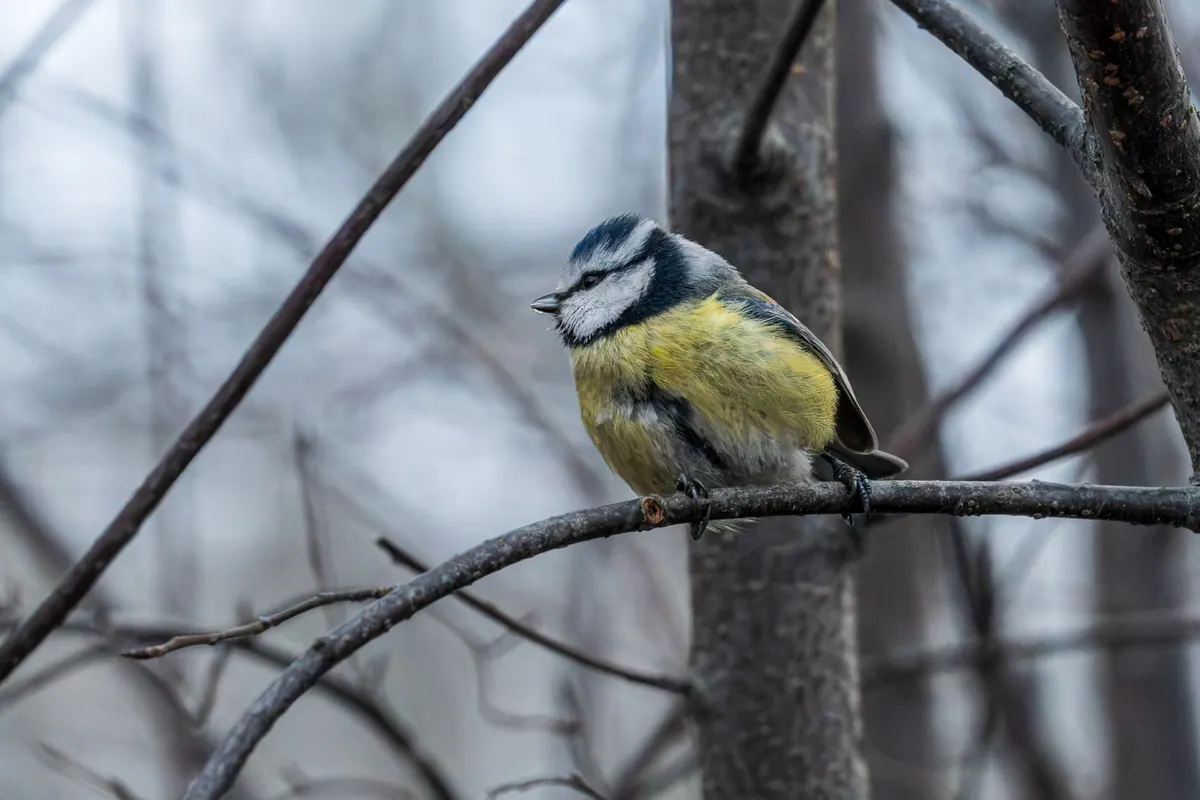
Photo: AndreasGoellner / Pixabay